Turn your phone vertically for the best web experience.


We winemakers and sommeliers always provide you with a wealth of detailed information about our wines. If a winemaker decides to age a wine in a barrel, you’ll often be told that as well, and you’ll always be able to tell by the taste. But do you know the story behind the barrels at the winery?
Purchasing and investing are just the beginning. We chose the renowned Austrian cooperage G. Benniger from Grafenwörth. We installed an 800-liter French oak barrel in our barrel hall. (Come visit our winery—we’d love to give you a tour!) As the Bennigers write, aging wine in a wooden barrel is a complex and valuable step. The original purpose of barrels as transport vessels is long gone; stainless steel tanks allow for controlled fermentation but also completely isolate the wine from any interaction with its surroundings. In contrast, a minimal amount of oxygen passes through the wood and reacts with the wine. The environment inside a wooden barrel also promotes malolactic fermentation. Ultimately, wine aged in barrels often appears smoother and creamier.
Let’s now hear from the winemaker himself, Jura Baláž Sr.:
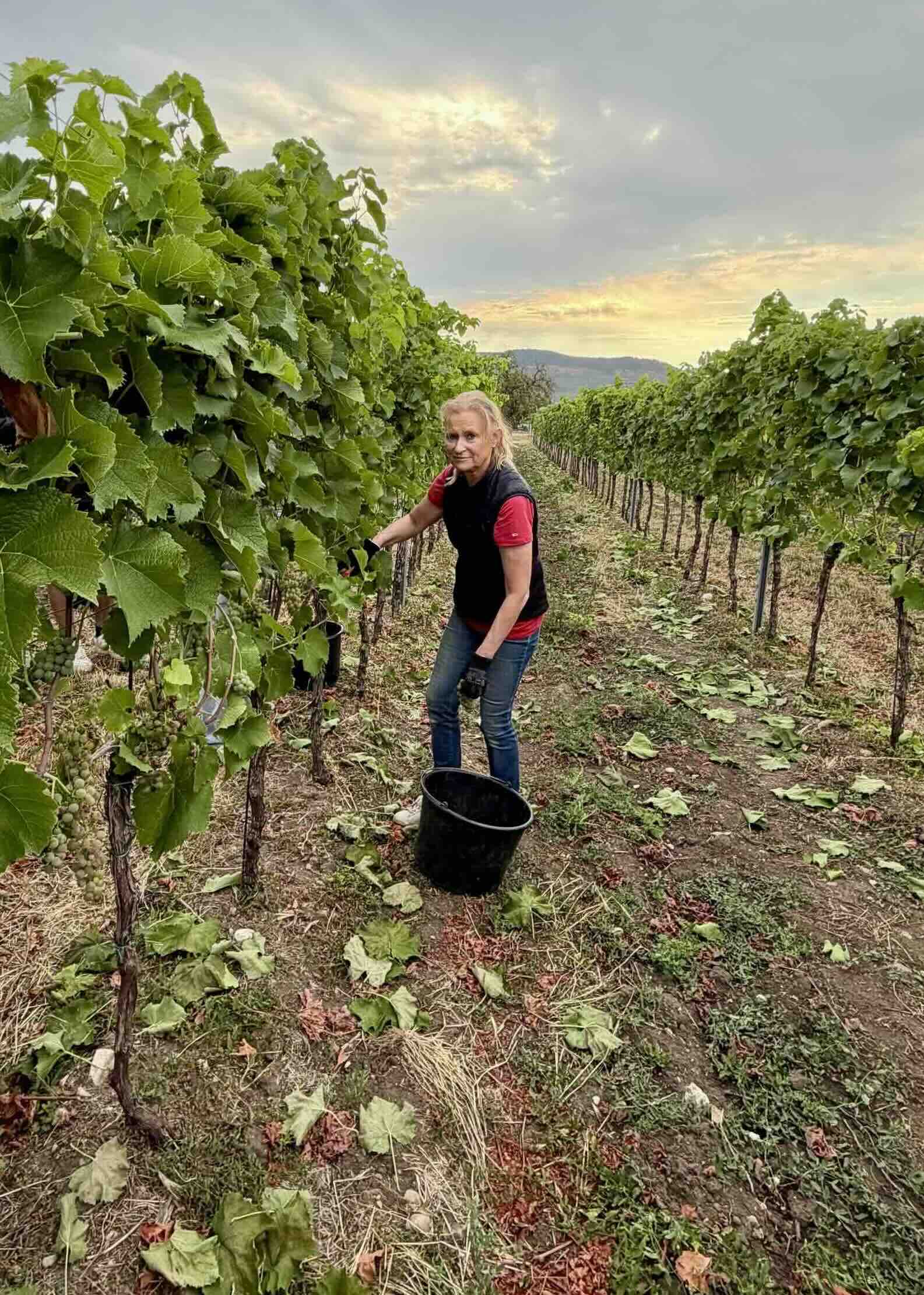
“The story of our barrel continues. Last year, we let Müller Thurgau ferment in it, followed by Grüner Veltliner, and finally Welschriesling. The grapes for this wine came from our iconic Pod Slunným vrchem vineyard, home to a 53-year-old vineyard. The wine in this barrel fermented and was aged on fine lees for 10 months. The finished wine, which scored 91 points at the Prague Wine Trophy international competition, was destined for nothing less than our premium Baláž line. Now, another Ryzlink vlašský from the same vineyard is fermenting in this barrel. How will it turn out this time? We’ll let you know again in a year.”
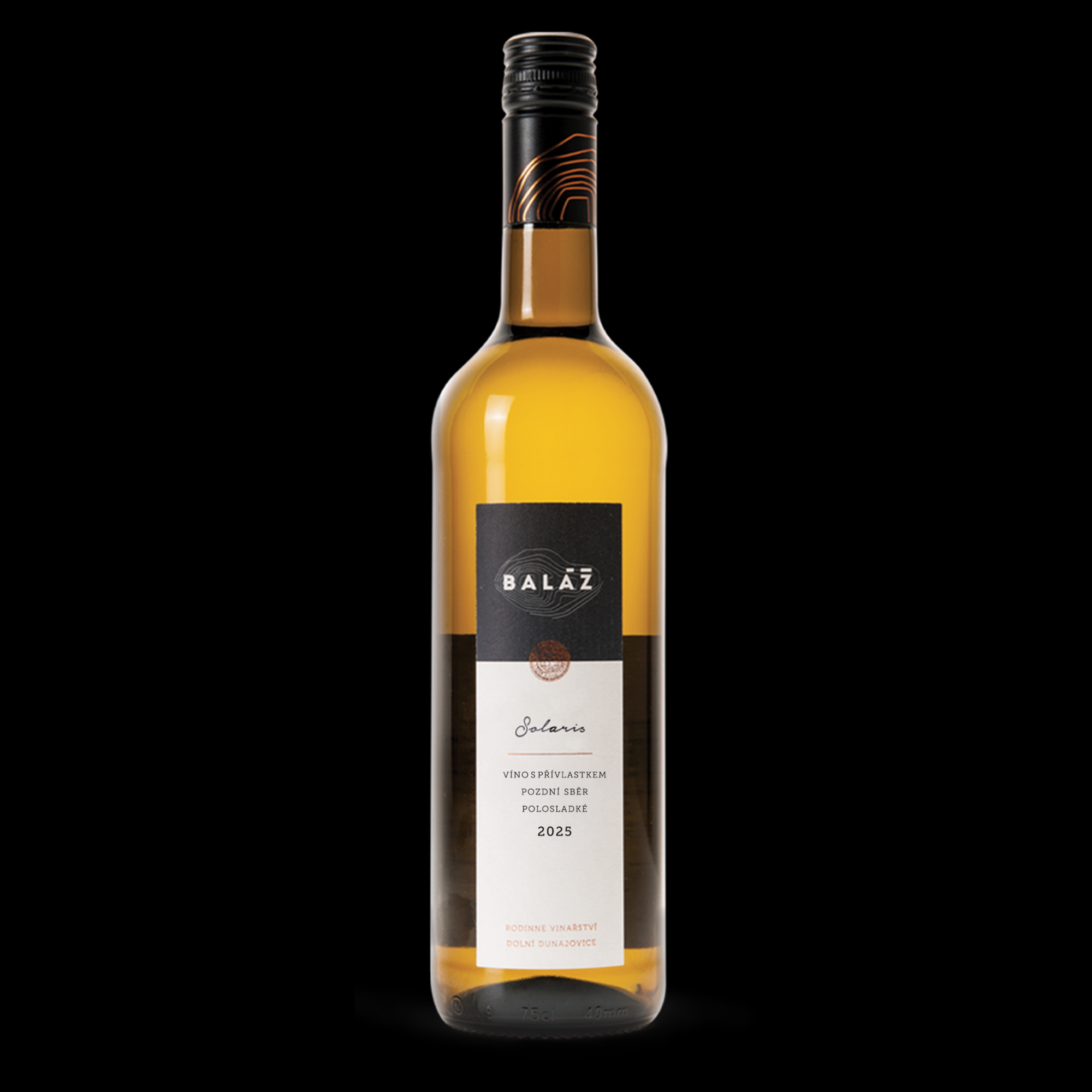
If you’d like to try the Ryzlink vlašský sur lie from this barrel, you can purchase it at the winery or through our online store. It won Premium Gold in the international Ryzlink vlašský competition at the Prague Wine Trophy. In the detailed description, you’ll also learn why we say it “rested under the covers.”
P.S. Our loyal and observant customers may have noticed that some wines that used to be in the Plotny region are now officially in the Pod Slunným vrchem region, and vice versa. Both regions still exist; only their official boundaries have been adjusted.